
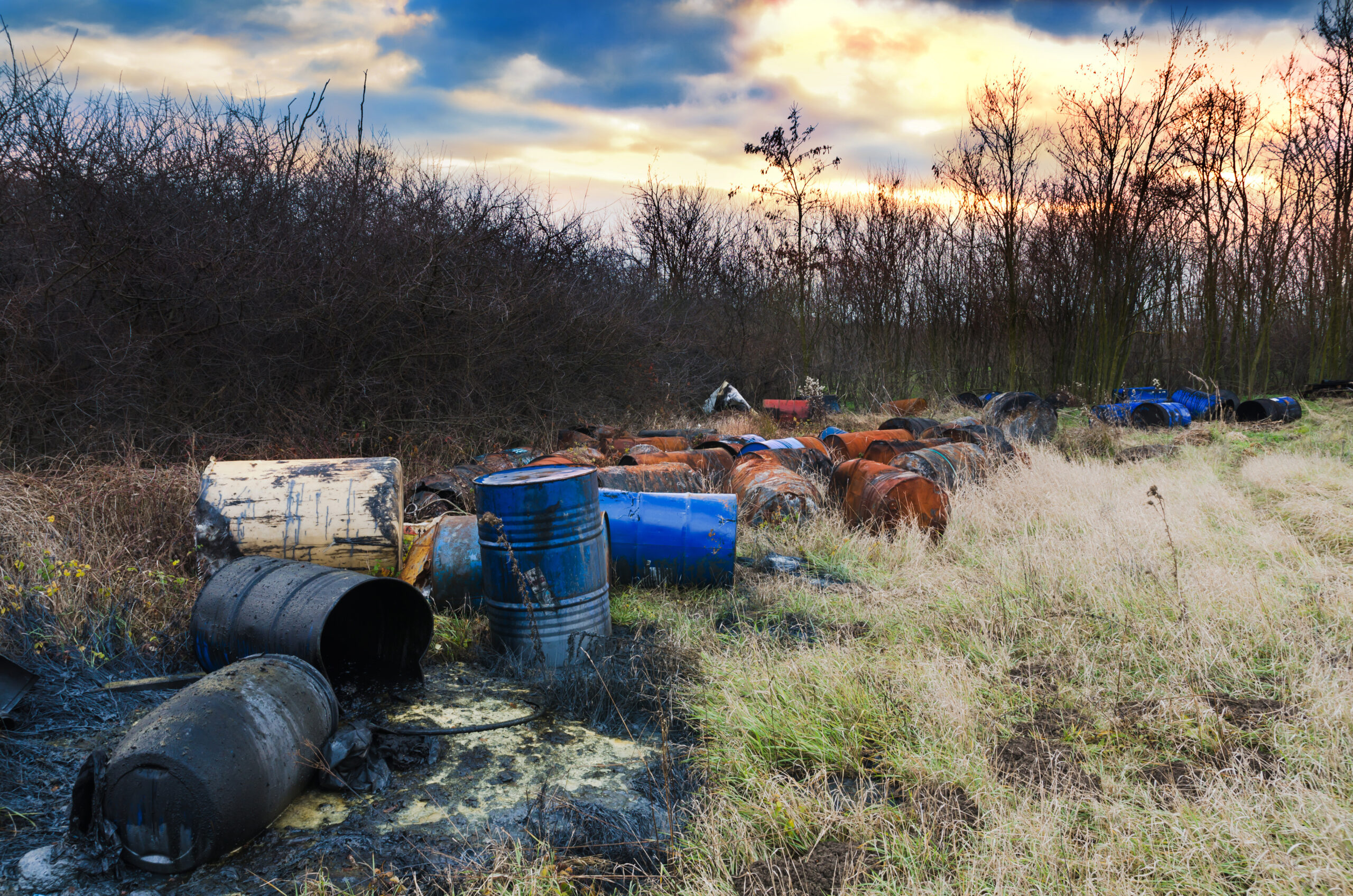
Louisiana, a state endowed with abundant natural resources, has a longstanding history with the oil and gas industry. While these resources have significantly contributed to the state’s economic development, they’ve also left behind a less visible but equally crucial legacy – abandoned oilfield wells and equipment.
Beneath the Surface Dangers
Abandoned oilfield wells pose a serious environmental threat, as they can leak hazardous substances into the soil and groundwater. Toxic chemicals may be released into the surrounding environment as these wells corrode over the years. This contamination poses risks not only to ecosystems but also to human health.
Moreover, the presence of abandoned equipment, such as pipelines and storage tanks, exacerbates the problem. Rusting and decaying infrastructure can result in leaks and spills, introducing pollutants into nearby water bodies and soil. The cumulative effect of these environmental hazards can be devastating, affecting aquatic life, vegetation, and the overall ecological balance.
Financial Toll
The environmental fallout from abandoned oilfield infrastructure goes hand in hand with a significant economic burden on taxpayers. Cleanup and remediation responsibilities often fall on public resources as these wells and equipment deteriorate. The costs associated with identifying, assessing, and remediating abandoned sites can quickly escalate, depleting public funds that could be allocated to other critical needs.
Furthermore, the state of Louisiana faces the challenge of balancing its commitment to environmental protection with the economic interests tied to the oil and gas industry. Striking this balance requires careful consideration and proactive measures to prevent the escalation of environmental damages and associated costs.
Regulatory Landscape and Legal Challenges
Addressing the issue of abandoned oilfield wells requires a comprehensive approach involving stringent regulations and legal frameworks. Louisiana, like many other states, has regulatory bodies overseeing the oil and gas industry, but enforcing compliance and holding operators accountable for cleanup remains a challenge.
Environmental law firms play a crucial role in advocating for stronger regulations, representing affected communities, and holding responsible parties accountable through legal avenues. Collaborative efforts between regulatory bodies, environmental advocates, and legal experts are essential to ensure a sustainable and equitable resolution to the environmental challenges posed by abandoned oilfield infrastructure.
Conclusion
The legacy of abandoned oilfield wells and equipment in Louisiana demands urgent attention. As we navigate the complex intersection of environmental protection and economic interests, it is imperative to prioritize the well-being of our ecosystems and communities. Environmental law firms play a pivotal role in advocating for stricter regulations, holding responsible parties accountable, and working towards a sustainable future where the costs of environmental cleanup are not unfairly shouldered by taxpayers. Through collective action, we can unearth a path towards environmental restoration and a healthier, more resilient Louisiana.