
Understanding PFAS and AFFF
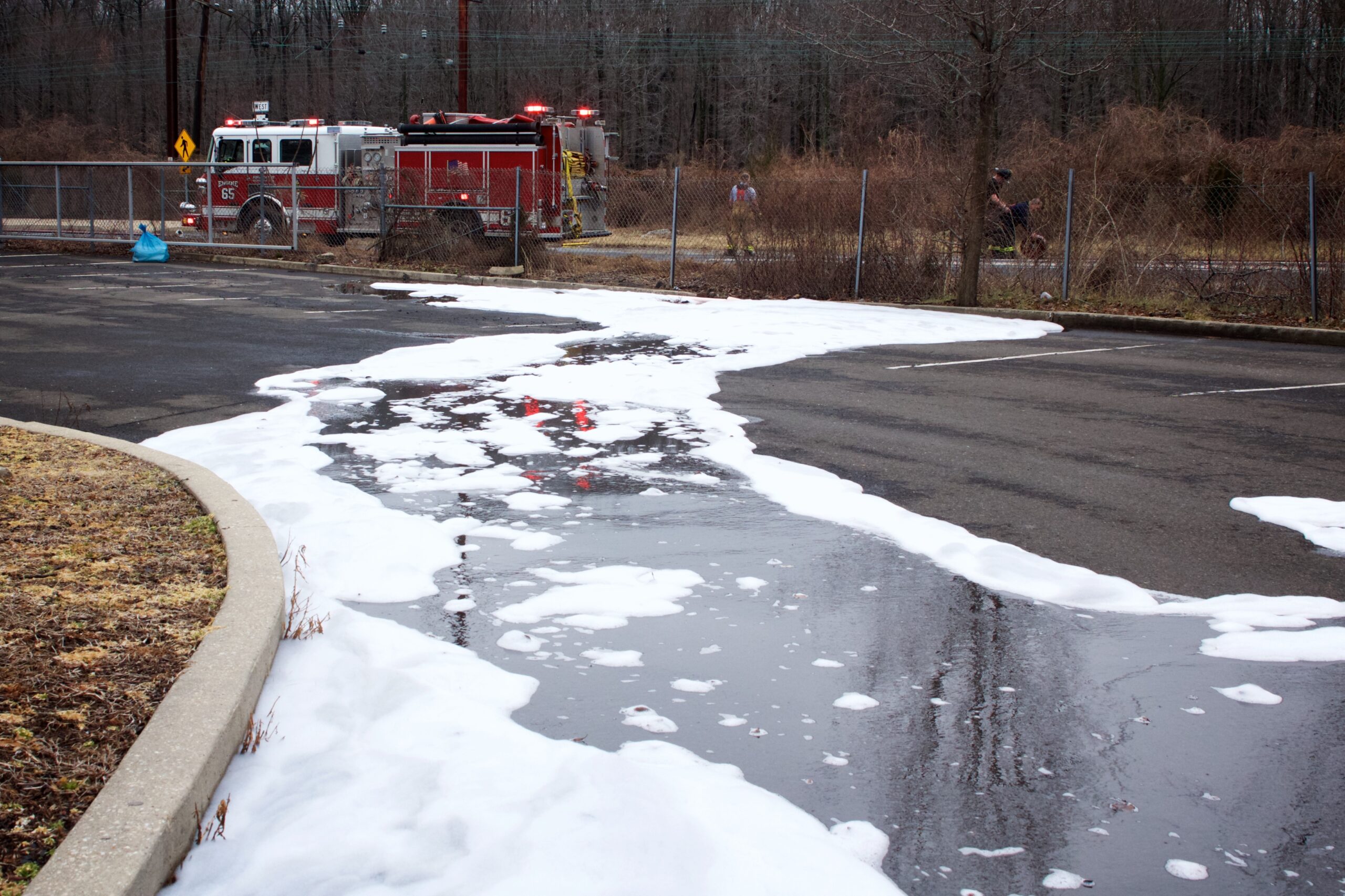
Firefighters and military personnel face a unique set of challenges due to their exposure to hazardous materials. One significant concern is the exposure to per- and polyfluoroalkyl substances (PFAS) through the use of aqueous film-forming foam (AFFF) and turnout gear. PFAS, often referred to as “forever chemicals,” are synthetic compounds resistant to heat, water, and oil. These properties make them valuable in firefighting foam and protective clothing, but they also pose serious health risks.
Health Impacts of PFAS Exposure
The health implications of PFAS exposure are severe and well-documented. Research has shown that these chemicals can accumulate in the human body over time, leading to a range of adverse health effects. Firefighters exposed to AFFF and PFAS-laden turnout gear are at increased risk for various cancers, including kidney cancer, testicular cancer, and prostate cancer. Additionally, PFAS exposure has been linked to liver damage, immune system suppression, and thyroid disorders.
For more information on PFAS and its health effects, the EPA’s website provides comprehensive resources and guidance.
Workers’ Compensation and Legal Remedies
Recognizing the serious risks associated with PFAS exposure, several states have implemented workers’ compensation provisions to support affected firefighters. These provisions often cover medical expenses, lost wages, and other related costs for workers diagnosed with PFAS-related cancers or illnesses.
Louisiana’s Approach to PFAS Exposure
In Louisiana, firefighters who have been exposed to PFAS through AFFF and turnout gear may be eligible for workers’ compensation benefits. The state has specific guidelines that cover occupational diseases, including certain cancers linked to hazardous exposures. Louisiana’s workers’ compensation system may provide compensation for medical treatment, lost income, and disability benefits for firefighters suffering from PFAS-related health issues. To pursue a claim, firefighters should document their exposure history and seek medical evaluations to establish a link between their condition and PFAS exposure.
Moving Forward
As awareness of the dangers of PFAS grows, it is crucial for firefighters and military personnel to stay informed and proactive about their health. Those affected by PFAS-related health issues should explore their legal options and seek compensation for their injuries and illnesses. By taking these steps, they can receive the support they need while advocating for safer practices and materials in their professions.