
A Deep Dive into PFOS and PFOA
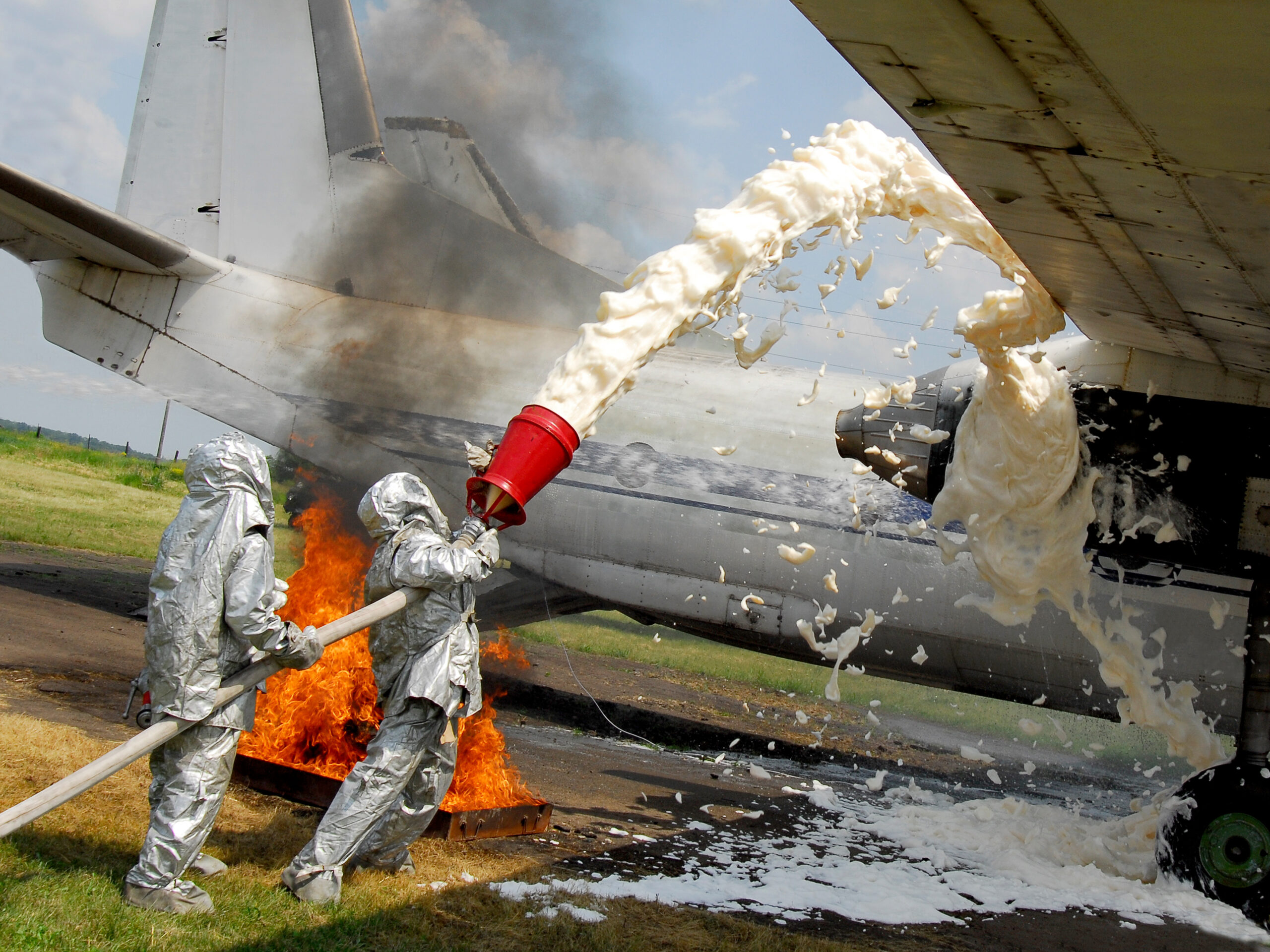
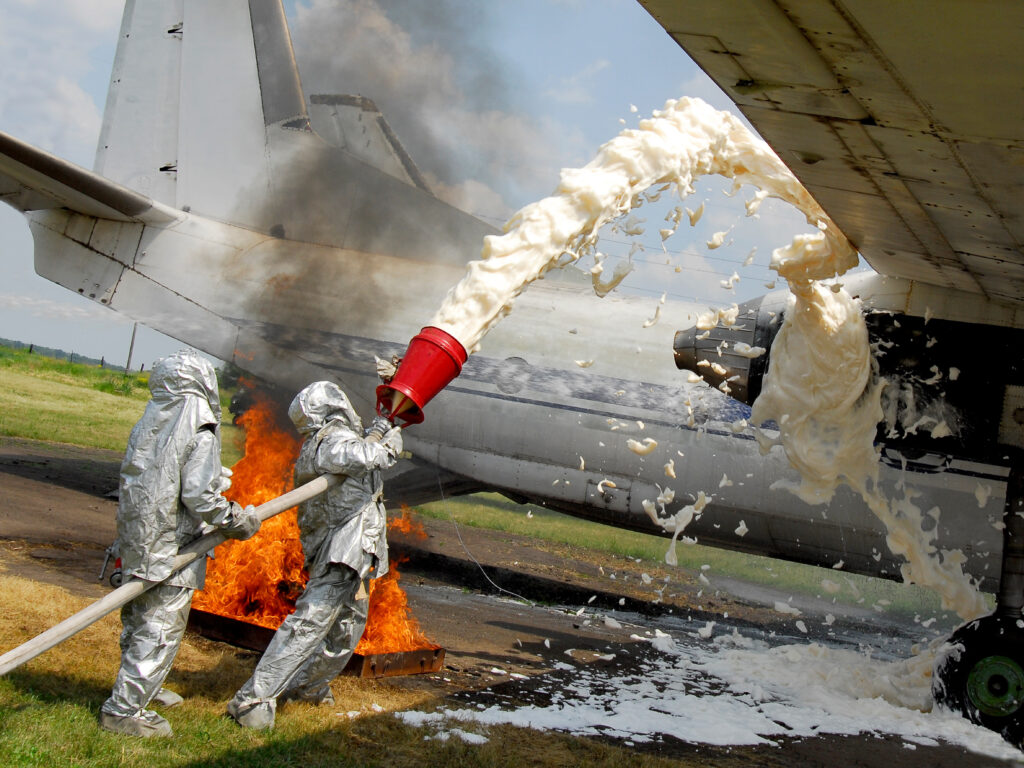
Firefighting Foam (AFFF) has long been a critical tool in addressing flammable liquid-based fires, but its impact on the environment has come under scrutiny, particularly with the generation of PFAS substances like PFOS and PFOA. This essay explores the composition of firefighting foam, the enduring nature of PFOS and PFOA, their bioaccumulation risks, and the measures taken to mitigate environmental harm.
3M Creates the Forever Chemical
AFFF, developed to combat petroleum-based fires, has a notable early history marked by the contributions of 3M. Before 2002, 3M’s AFFF formulations led to the unintentional generation of PFOS and PFOA, both recognized as “forever chemicals” due to their persistence in the environment. This persistence raised early environmental concerns in the 1970s, prompting investigations by the military and 3M scientists.
1970s Adverse Health Effects Discovered
Studies in the 1970s revealed alarming bioaccumulation of PFOS and PFOA in the bodies of U.S. citizens, indicating widespread exposure. The consequences of this exposure extend to the persistence of contaminated drinking water sources, posing substantial threats to public health. In fact, Navy reports in the late 1970s raised concerns about AFFF’s environmental impact, leading to questions about the adequacy of information provided by 3M. Despite mounting evidence of health risks associated with PFOS and PFOA, 3M’s response reflected a reluctance to report these risks.
1980s the Military Gets Involved
Significantly, Military investigations in the early 1980s delved into the environmental and health impacts of AFFF, with animal studies prompting proactive policies. The Air Force, recognizing AFFF’s harmful effects, implemented measures to sequester AFFF, and the Army ordered its treatment as hazardous waste. Moreover, these military actions started the widespread scientific study of the potential adverse health effects of exposure to PFAS.
PFAS Health Risks and Cancer
Researchers, including the U.S. EPA, have found that exposure to PFAS causes many adverse health effects. These include the following:
- PFAS exposure increases the risk of certain cancers, including kidney and testicular cancers.
- Prolonged exposure to PFAS is associated with liver damage.
- PFAS causes increased cholesterol levels.
- PFAS exposure may compromise the immune system’s function.
PFAS Litigation and Phase Out
The turn of the century marked a crucial phase as the EPA and 3M negotiated a voluntary phase-out of PFOS in 2000. The Department of Defense acknowledged PFOS as “persistent, bioaccumulating, and toxic” in 2001, marking a pivotal moment in recognizing the environmental and health risks associated with AFFF. Additionally, lawsuits filed against Dupont and 3M added to the push to ban PFAS related firefighting foam. Litigation remains ongoing to recover damages to public drinking water, property, and personal injuries.